
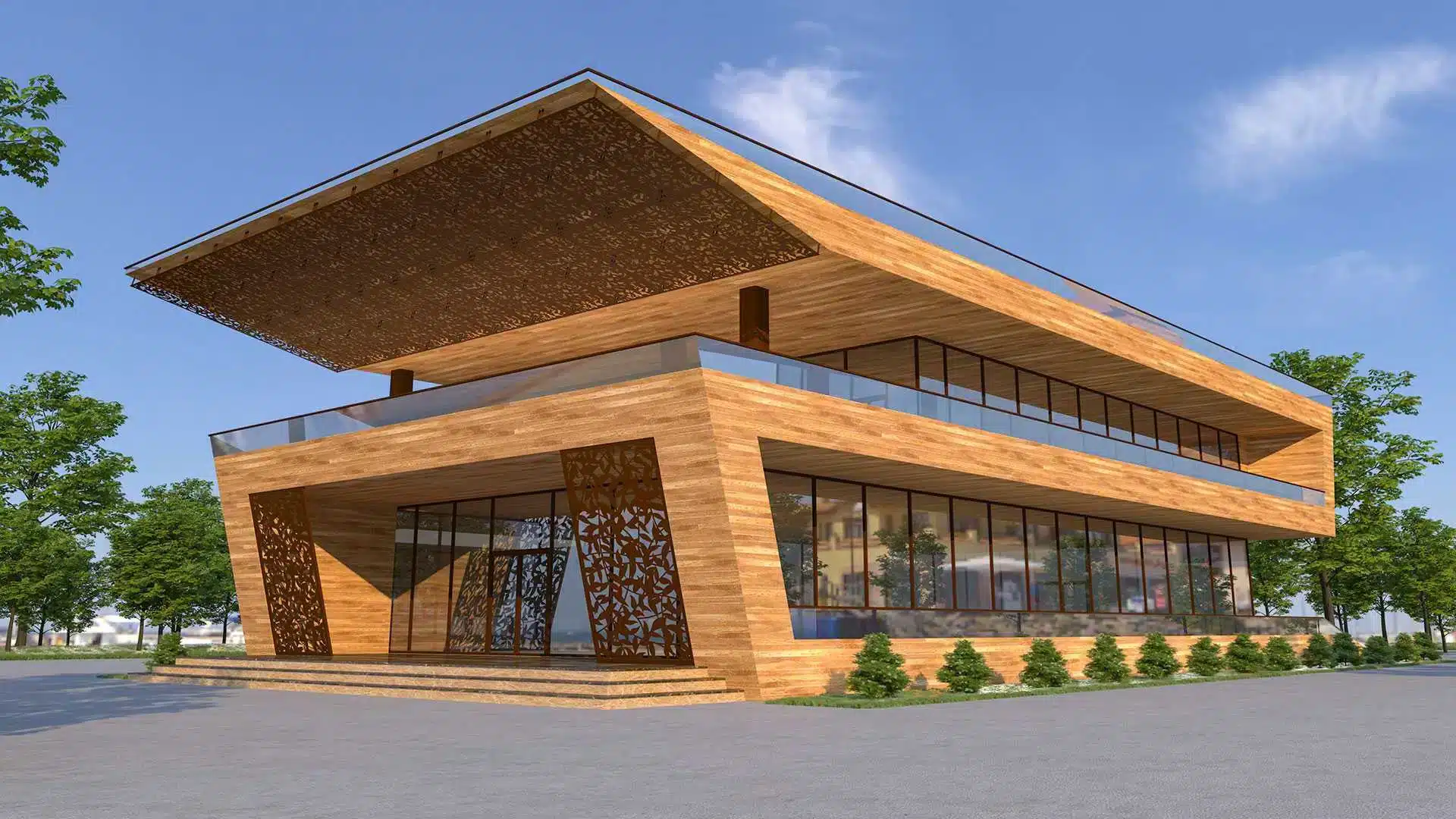
Metal cladding is available in a variety of materials, including aluminum, stainless steel, galvanized steel, weathering steel, zinc, copper, and titanium.
Each type of cladding offers distinct advantages in durability, corrosion resistance, weight, appearance, fabrication, maintenance, and cost. That’s why choosing the right cladding material is an essential part of planning a commercial, institutional, healthcare, or civic project.
When choosing the best type of cladding for a project, you need to consider factors like the project location, environmental conditions, building design, performance requirements, installation methods, and long-term durability.
What Are the Most Common Types of Metal Cladding Materials?
The most common metal cladding materials used in commercial and architectural applications are aluminum, stainless steel, galvanized steel, weathering steel, zinc, and copper. Each material has characteristics that make it better suited to certain building types, environments, and design goals.
Aluminum Cladding
Aluminum is one of the most widely used materials for architectural and commercial metal cladding. The combination of low weight, corrosion resistance, versatility, and ease of fabrication makes aluminum a very practical option for a wide range of building projects.
Because aluminum is lightweight, it reduces the demands placed on a building’s structural system. It can also be formed, folded, and fabricated into a variety of shapes and configurations, making it suitable for both standard and highly customized designs.
Aluminum cladding is available in a broad selection of finishes and colors. Depending on the project specifications, it may be finished with coatings or other treatments designed to provide the desired aesthetic and level of durability.
Aluminum cladding is a popular choice for commercial façades, rainscreen systems, soffits, column covers, wall panels, canopies, and architectural accents.
Stainless Steel Cladding
Stainless steel is durable, strong, and corrosion-resistant. Professionals like its clean, contemporary appearance because it integrates well into modern designs.
Stainless steel cladding comes in different surface treatments, including polished, brushed, and other specialty finishes. This range of surface treatment options allows designers to achieve different visual effects without sacrificing strength or durability.
Not all stainless steel grades offer the same level of corrosion resistance, so it’s important to choose stainless steel cladding with the appropriate corrosion resistance for projects in coastal or wet climates.
Galvanized Steel Cladding
Galvanized steel cladding consists of a steel substrate with a protective zinc coating designed to help prevent corrosion. Steel provides strength and durability, while the zinc coating provides an additional layer of protection against environmental exposure.
Galvanized steel can be a good choice for outdoor applications, but the protective coating is prone to eventual wear and the metal can be less durable than stainless steel and weathering steel.
Weathering Steel Cladding
Weathering steel, also known as COR-TEN® steel, is a high-strength, low-alloy steel designed to develop a protective patina when exposed to appropriate environmental conditions. Over time, the surface develops distinctive earthy tones, ranging from orange and reddish-brown to darker brown shades.
The evolving appearance of weathering steel makes it a popular choice for architectural, civic, cultural, landscape, and public projects where the material itself is intended to contribute to the design.
Zinc Cladding
Zinc is an architectural cladding metal valued for its distinctive appearance and ability to develop a natural patina over time. As zinc weathers, its appearance changes. That gives buildings a dynamic aesthetic that evolves with age.
Zinc is used in cladding applications on façades, roofs, wall panels, and architectural accents. Its long service life and relatively low maintenance requirements make it a great option for projects where lifecycle performance is a priority.
Copper Cladding
Copper offers one of the most recognizable appearances among architectural metals. It begins with a bright metallic finish and naturally changes over time as it reacts with the environment, eventually developing a characteristic patina.
The material is highly formable, which makes it suitable for custom architectural details and complex shapes. Copper can be used for façades, roofs, canopies, wall elements, and other architectural features where its distinctive appearance is part of the design intent.
Copper is generally considered a premium material, so initial costs may be higher than some alternatives. Designers should also consider the potential for runoff staining and the appearance of adjacent materials as the copper weathers.
Titanium Cladding
Titanium cladding isn’t as popular as other metal cladding types. But titanium is highly durable and has exceptional corrosion resistance. Titanium cladding is more expensive than other types of metal cladding, but the higher cost is worth it for projects in coastal areas or very wet environments because of the titanium’s rust resistance.
Can Metal Cladding be Customized for Commercial And Institutional Projects?
Metal cladding can be customized to suit a particular design aesthetic or match a brand’s signature style.
Customization options for metal cladding include custom shapes and dimensions, perforated metal panels, decorative screens, laser-cut patterns, folded and formed panels, custom finishes, and integrated architectural features.
Custom metal cladding components can create a visual identity, enhance brand recognition, define building entrances, provide architectural accents, or integrate functional elements into the overall design.
What is The Most Common Metal Used For Architectural Cladding?
Aluminum is the most common metal used for architectural cladding because it is lightweight, corrosion-resistant, versatile, and relatively easy to fabricate.
It can be used for façades, wall panels, soffits, rainscreen systems, and custom architectural elements. However, the most appropriate metal for cladding depends on the project’s location, environmental exposure, aesthetic goals, structural requirements, and budget.
Which Metal Cladding Material Is The Most Durable?
Several metal cladding materials provide exceptional durability when properly specified, fabricated, installed, and maintained. Stainless steel, copper, titanium, aluminum, and weathering steel are all highly durable. Which material is most durable depends on the project location and the specific application; for most projects, stainless steel or aluminum is the best choice.
What is The Best Metal Cladding For Coastal Buildings?
The best metal cladding for a coastal building depends on the project’s specific exposure conditions and performance requirements.
Aluminum and zinc are often considered for their corrosion resistance, but the complete system should be evaluated.
Is Metal Cladding Environmentally Friendly?
Metal cladding can offer several sustainability benefits, including long service life, durability, and the potential for recycling at the end of its useful life. Some metals also contain recycled content.
However, sustainability should be evaluated throughout the product’s lifecycle, including manufacturing, transportation, installation, maintenance, service life, and end-of-life recycling. The most sustainable choice will depend on the specific project and material selected.
Choosing The Right Metal Cladding Material For Your Project
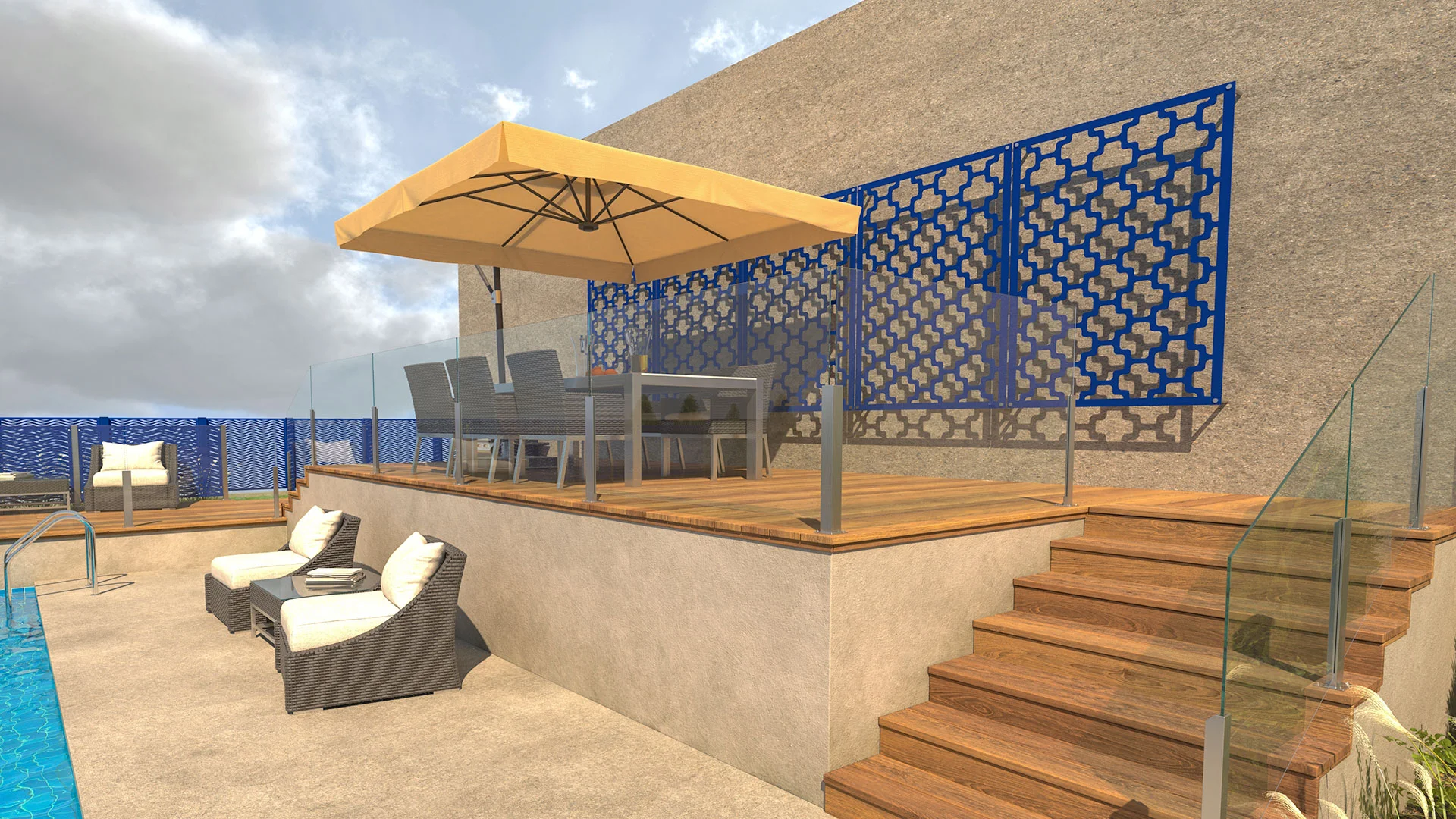
The best metal cladding solution for a particular project depends on the project’s environmental conditions, design goals, structural requirements, expected service life, maintenance expectations, and budget.
For projects requiring custom metal cladding, architectural screens, structural components, or other fabricated metal elements, early coordination with an experienced architectural metal fabricator can help project teams identify solutions that meet both design intent and performance requirements.
Learn more about metal cladding to help you decide which one is right for your next project.
Categories
Lets Stay in Touch!
Recent Posts