
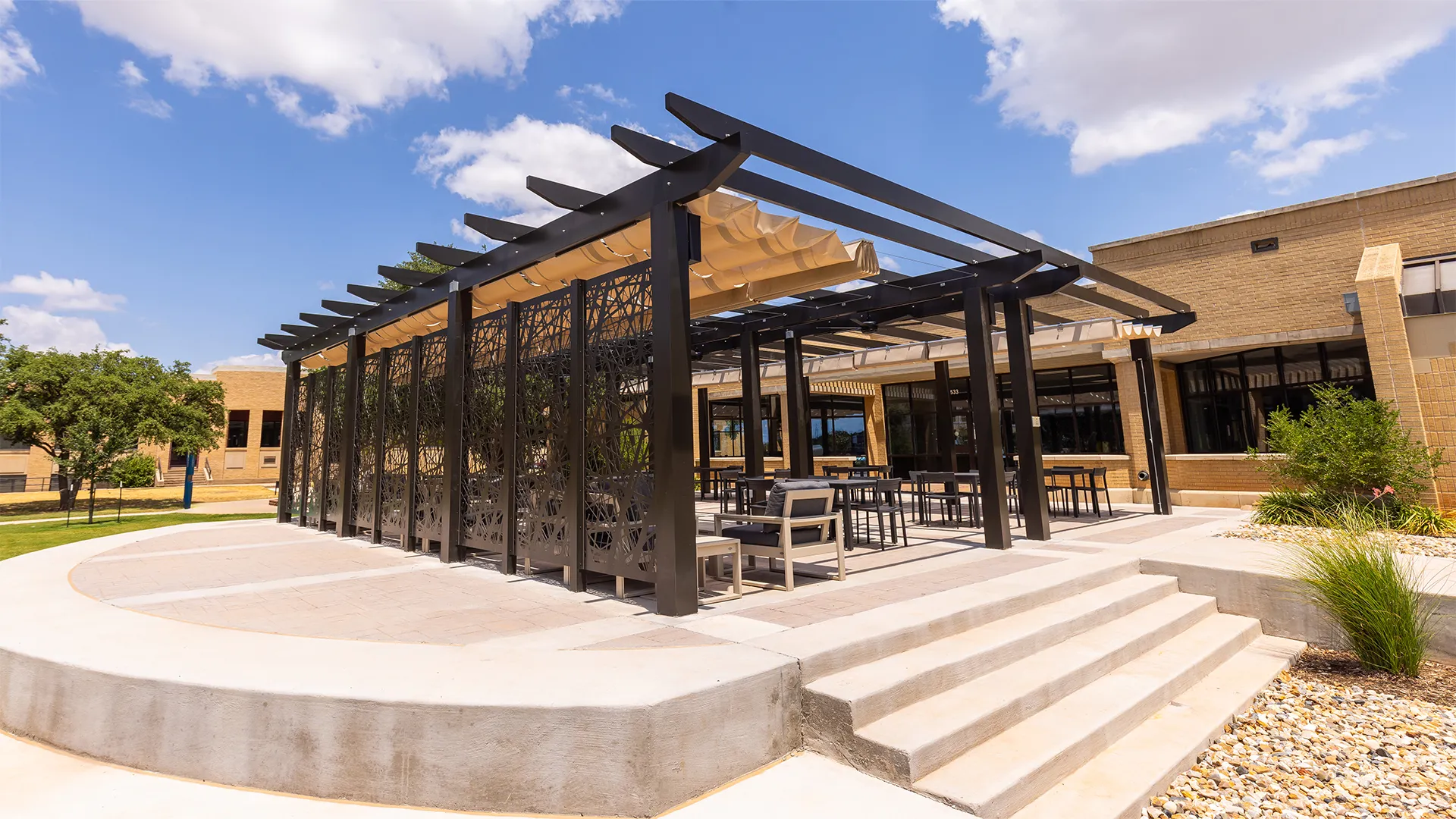
Today’s architects, builders, and developers are designing spaces built to improve occupant comfort, reduce energy demand, strengthen brand identity, and create privacy where it matters most. That means choosing multi-purpose exterior elements that are built to last, look great, and enhance the building’s functionality.
Using architectural screen panels is a smart choice because they combine visual appeal with real performance benefits. They can add style and function to facades, terraces, parking structures, or service areas.
Architectural screen panels help manage sunlight, enhance privacy, and elevate the structure’s finished design. They also integrate well with other exterior features, such as commercial awnings, building canopies, and entrance canopies, to create a cohesive, functional building envelope.
If you are planning a new development or renovation, understanding how architectural screen panels work can help you make smarter design and specification decisions.
What Are Architectural Screen Panels?
Architectural screen panels are metal or composite panel systems installed on the exterior of commercial buildings. They are used to control sunlight, improve privacy, conceal equipment, and add architectural interest.
These panels can be fabricated as fixed systems, sliding panels, hinged screens, or modular assemblies. You can choose screens made from aluminum, steel, perforated metal, and specialty composites. Depending on the project, screen panels may be used alongside commercial awnings, building canopies, or an entrance canopy to create layered protection from sun and weather.
Because they are highly customizable, architectural screen panels can elevate both bold signature designs and subtle modern aesthetics. Custom architectural screen panels can be designed to blend seamlessly with older buildings during retrofitting.
Why Commercial Projects Use Architectural Screen Panels
Commercial building projects prioritize function, but the building’s aesthetic value matters too. Designers and builders choose architectural screen panels to add flair and style to a building and enhance its functionality. They also choose screen panels for reasons like:
Elevating Building Aesthetics
Many commercial buildings rely on clean lines and large surfaces. Without contrast or texture, their facades can feel flat or unfinished. Architectural screen panels add depth, rhythm, and dimension to exterior elevations.
Custom perforations, geometric patterns, branded motifs, and color-matched finishes allow architects to create a distinctive visual identity. When combined with commercial awnings over storefronts or building canopies at drop-off areas, panels can help unify the full exterior design.
Shade and Solar Control
Sun exposure can create glare, cause overheating, and make the interior of buildings uncomfortably hot for occupants, especially in glass-heavy office buildings and mixed-use developments. Architectural screen panels increase passive shading, reducing direct sunlight and lowering indoor temperatures.
Architectural panels reduce solar heat gain and lower the energy needed to control indoor temperatures. For even stronger sun protection, architectural panels can be combined with commercial awnings on the ground floor and an entrance canopy. This multi-layered shade approach keeps buildings cooler throughout the day.
Privacy Without Sacrificing Openness
Outdoor dining spaces, apartment balconies, office terraces, and wellness areas often need separate spaces that offer privacy without creating a claustrophobic feeling.
Architectural screen panels block direct sightlines while still allowing airflow and filtered daylight. This creates a more comfortable experience than solid walls or fencing.
Equipment Screening
Mechanical equipment, dumpsters, and loading zones can create eyesores and pose dangers to occupants. Architectural screen panels help conceal equipment and service areas while providing ventilation and access.
Pairing building canopies with screen panels is a smart way to enhance the look of a customer-facing zone without compromising accessibility.
Best Commercial Applications for Architectural Screen Panels
Architectural screen panels are versatile enough for many project types, including:
- Office buildings
- Mixed-use developments
- Multifamily communities
- Hotels and resorts
- Parking garages
- Restaurants and outdoor dining spaces
- Healthcare facilities
- Schools and universities
- Retail centers
- Civic and transportation buildings
In many of these settings, architectural screen panels work best as part of a larger exterior system that may also include commercial awnings, building canopies, and a welcoming entrance canopy.
Material Options and Performance Considerations
Architectural screen panels are available in a variety of metals and composite materials. Each material has strengths and weaknesses, so choosing the right one for a particular project depends on factors such as the building’s location, the purpose of the panels, and the desired style. The material options for architectural screen panels include:
Aluminum Screen Panels
Aluminum is one of the most common materials for architectural screen panels. It is lightweight, corrosion-resistant, and low-maintenance. Aluminum screen panels are popular for commercial building projects because they can be produced in a wide range of finishes and colors for branding purposes.
Steel Panels
Steel offers excellent strength and durability. Steel panels are often preferred in high-traffic or industrial environments where impact resistance is important. Protective coatings are often recommended to prevent corrosion.
Perforated Metal Panels
Perforated metal provides a strong balance between privacy, airflow, and visibility. Designers can choose from many perforation sizes and open-area percentages to match their vision or to create signature branding for businesses.
Composite and Specialty Materials
Designers can also pick composite or wood-look materials for screen panels that have a natural warmth and texture. Screens made from these materials are often picked for hospitality, educational, or mixed-use buildings because of their natural look.
Design Considerations for Architects and Builders
The choice of material isn’t the only design decision that architects and builders need to make when it comes to architectural screen panels. They also need to take into consideration design elements like:
Pattern Density and Openness
Denser screen panel patterns generally provide more privacy and shading, but may not have as much ventilation. More open patterns improve visibility and ventilation. The right balance depends on how the space is used and the local climate.
Mounting and Integration
Panels can be stand-off mounted, framed, suspended, or integrated into larger facade systems. Early coordination between the architect and the builder can help address design issues, such as conflicts with windows, structural supports, and drainage systems, before work on site begins.
Finishes and Branding
Powder-coated and anodized finishes are popular for durability and appearance. Custom colors can align with tenant branding or corporate identity.
How Architectural Screen Panels Support Sustainable Design
Architectural screen panels can contribute to sustainability goals in several ways:
- Reduce cooling demand through passive solar shading
- Improve occupant comfort near windows and outdoor spaces
- Use recyclable materials such as aluminum
- Extend facade durability by shielding surfaces from direct exposure
When paired with energy-conscious elements such as commercial awnings and building canopies, these systems can help create a more efficient building envelope.
FAQs About Architectural Screen Panels
How long do architectural screen panels last?
High-quality aluminum or coated steel screen panels can last for decades with proper installation and routine maintenance.
Can architectural screen panels be customized?
Yes. Most systems can be customized by size, pattern, finish, color, and mounting method.
Can screen panels be added to existing buildings?
Yes. Architectural screen panels are retrofit-friendly and can improve privacy, shade, or aesthetics without major reconstruction.
What material is best for exterior use?
Aluminum is the most popular choice for architectural screen panels because it is lightweight, corrosion-resistant, and low-maintenance. Steel may be preferred when additional strength is needed.
Do screen panels improve energy efficiency?
Yes. Screen panels can reduce solar heat gain and glare, helping lower cooling loads.
Why Partnering With an Experienced Manufacturer Matters
Choosing the right manufacturer can simplify the process and improve outcomes. Experienced partners can provide:
- Early design collaboration
- Engineering support
- Shop drawings and detailing
- Material and finish guidance
- Quality fabrication
- Reliable lead times
- Installation coordination
This is especially valuable when screen panels must coordinate with commercial awnings, building canopies, or a custom entrance canopy.
Find The Right Architectural Screen Panels For Your Next Project
Architectural screen panels effectively balance aesthetics, shade, privacy, and long-term performance for commercial projects. The right screen panels make buildings more inviting, more functional, easier to brand for a business, and create discrete service and equipment storage areas.
Custom architectural screen panels are a great way to add a signature design element to a commercial project or to rebrand a building with retrofitted panels to change the existing branding.
Now that the weather is becoming more severe in most climates, integrating architectural screen panels into the design can improve energy efficiency while ensuring the space remains comfortable for occupants.
When you’re planning a commercial project, check out the Structureworks design gallery for style ideas, or talk to us about custom architectural screen panels for any size project.
Categories
Lets Stay in Touch!
Recent Posts