
What if materials could shape how people move, pause, and interact without ever constructing a conventional wall?
Imagine influencing spatial behavior through form, texture, and placement; vertical elements defining purpose and suggesting direction, or creating boundaries that invite rather than divide. Well you can!
Architectural screen panels are changing how we define space, offering a solution that can guide movement, provide privacy, and shape experiences that can express cultural identity, brand identity and more.
When thoughtfully positioned, decorative aluminum panels become gestures encouraging people to gather, connect, and explore without creating separation.
The Functional Art of Screen Panels
Traditionally used to block sun or create privacy, decorative screen panels have evolved into versatile design instruments. They can define zones and also create meaning within environments by guiding people, drawing attention to architectural details, and enhancing the sensory experience of a space.
Thoughtful screen design introduces movement, rhythm, and depth. Whether directing circulation or acting as sculptural features, screens elevate spaces making them functional, beautiful, and emotionally engaging.
Defining Space Without Division
What defines a boundary without closing off space? Quite often, the most compelling boundaries don’t obstruct; they guide. Think of Dorthy and follow, follow, follow, follow, follow the yellow brick road!
Transitions in material from hardwood to metal or tile, or changes in level such as a sunken lounge or raised platform, subtly cue shifts in function of behavior. Benches in plazas or patterned paving imply zones for rest or play. These spatial definitions rely on visual, tactile, and psychological signals such as light, texture, color, and form all working together to suggest purpose without blocking interaction.
Screens in Everyday Environments
Guardrails and Railings
Guardrails are more than safety features or boundaries; they can be what defines a space. In restaurants and cafes guardrails often separate public from private zones while preserving visibility to other areas both inside and out. These elements can be used to enhance business branding through custom patterns, logos, or finishes while serving their intended purpose.
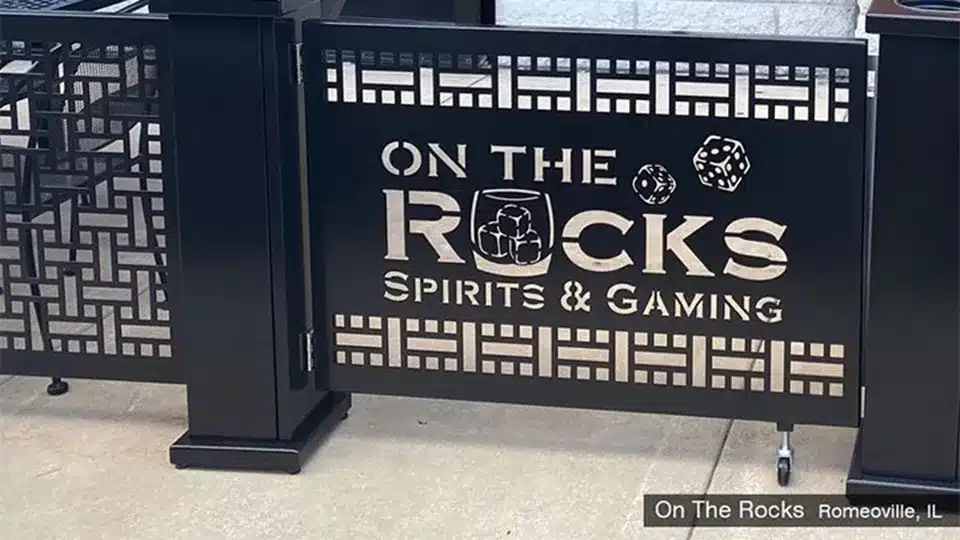
On The Rocks, Romeoville, IL – mindfuldesignconsulting.com
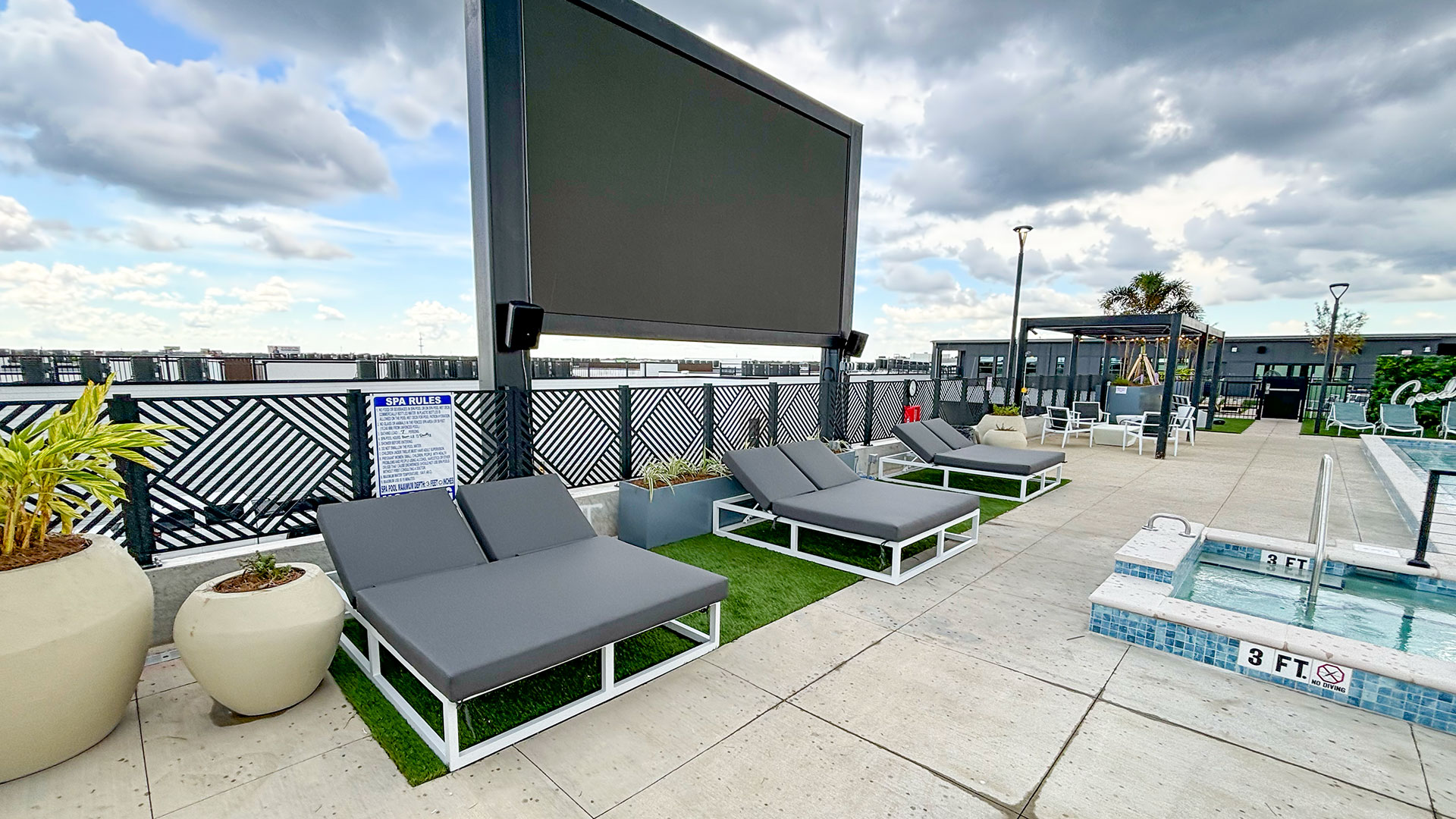
Example: The Metropolitan – Tampa, FL
At The Metropolitan in Tampa, privacy screens wrap the rooftop amenity area, seamlessly balancing safety and visual identity. These panels define the boundary between the rooftop space and adjacent structures creating a visual separation from HVAC units and parking areas while allowing airflow and natural light. The material and pattern choices complement the building’s design, making the rooftop both functional and inviting.
This is an example of how screens can serve as more than code compliant barriers by becoming architectural features that enhance usability, comfort, and atmosphere.
Screens for Residential Use
Decorative aluminum screens are an elegant, modern alternative to traditional fencing in residential settings. While fences often create an enclosed, disconnected feeling from your surroundings, screen panels offer privacy with a sense of openness.
By filtering views while allowing light and airflow, they enhance outdoor livability by turning patios into relaxing retreats and yards into multifunctional spaces. These panels maintain a connection to the environment while improving comfort, aesthetics, and versatility.

Screens In Commercial Interiors
Architectural screens enhance building interiors by guiding movement, improving comfort, shaping experience, filtering light and creating atmosphere in museums. They work to reduce glare and integrate branding in schools, and manage acoustics while defining zones without walls in offices and hospitality.
In casinos, etched glass, wood lattice, or acoustic fabric define VIP areas that feel exclusive yet inviting, while offices and lounges use screens to create semi-private zones for meetings and breaks balancing openness and privacy.
At the Louvre Abu Dhabi, eight layers of perforated screens in the dome create a “rain of light” effect, encouraging stillness and reflection.

The Louvre Abu Dhabi
Outdoor Applications and Building Facades
On exteriors, decorative architectural screens elevate façades while improving environmental performance. From parking garages to rooftops and college campuses, they allow ventilation, reduce solar heat gain, and turn utilitarian surfaces into visually engaging elements.
In parking structures, screens facilitate natural airflow, helping to disperse exhaust fumes without the need for mechanical ventilation. This passive design approach enhances safety by improving visibility and allowing natural light to enter the space, creating a more secure and inviting environment.
Example: The Westfield Valley Fair Monroe Garage
Perforated metal panels wrap the building, supporting natural ventilation, eliminating the need for mechanical systems, and improving safety through increased light and outward visibility.
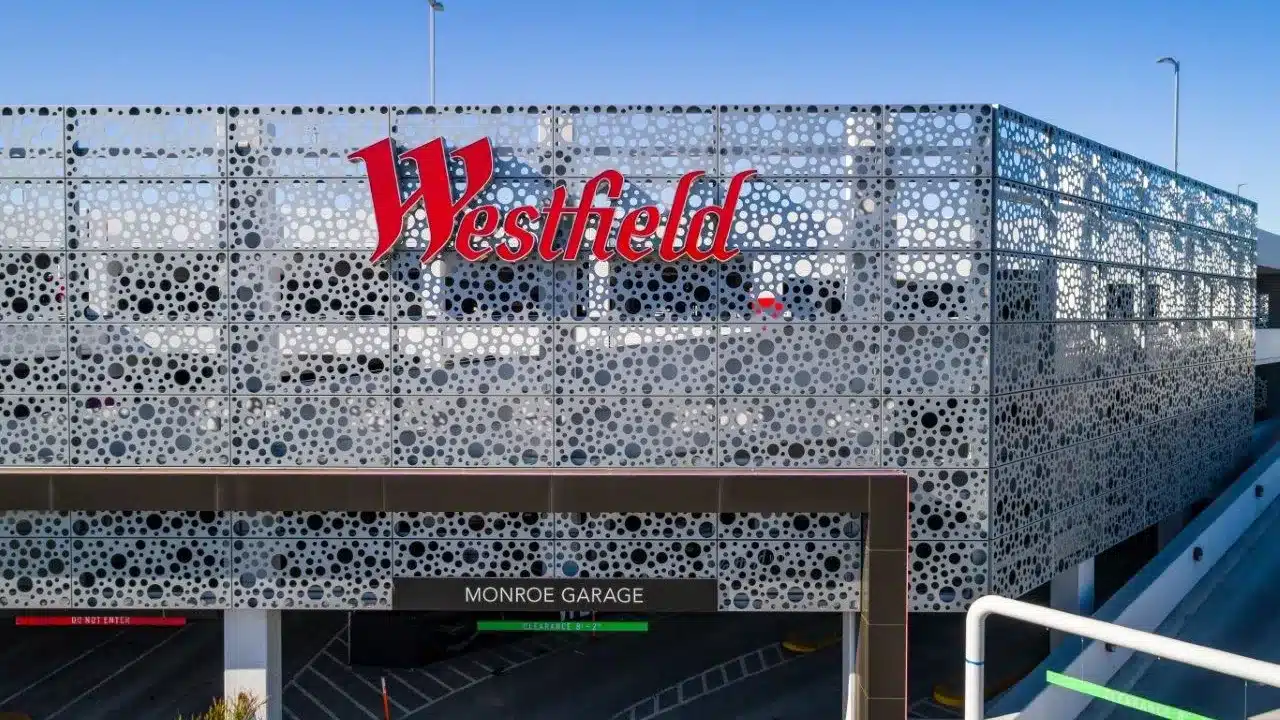
Westfield Valley Fair Monroe Garage – hendrickcorp.com
Example: Eastern Kentucky University
Custom screen patterns combine functionality with visual storytelling, reflecting the school’s academic identity while providing shading in various areas of the football stadium.

Operable Screens and Shading Systems
Some screens can be manually or mechanically adjusted to control airflow and sun exposure. The Al Bahar Towers in Abu Dhabi feature triangular panels inspired by traditional Mashrabiya. These kinetic panels respond to sunlight via sensors and actuators, combining cultural tradition with modern energy-efficient design.
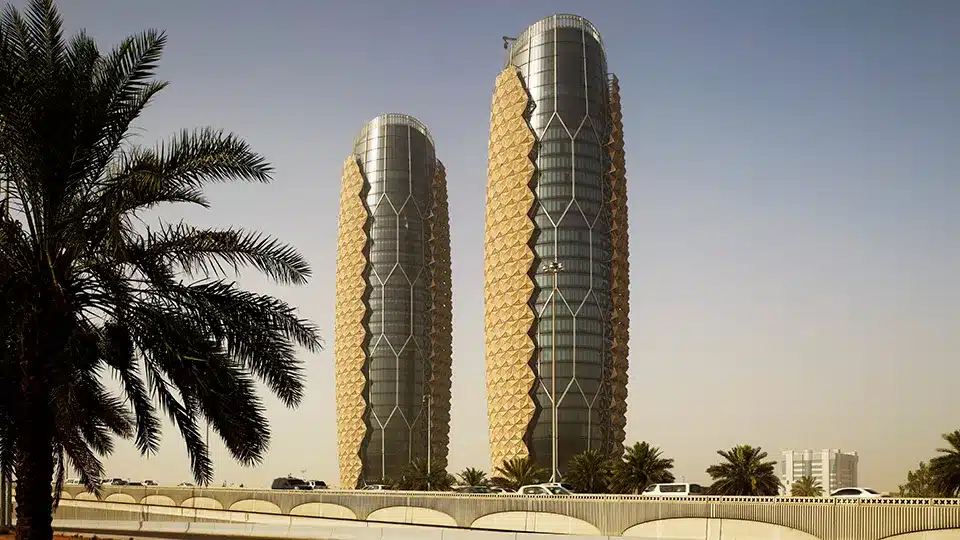
Al Bahar Towers
By opening and closing throughout the day, the panels significantly reduce solar gain, minimizing the need for artificial cooling in the desert climate. This not only enhances occupant comfort but also lowers energy consumption and supports sustainable building practices. The design embodies a harmony between heritage and innovation honoring regional identity while addressing contemporary environmental challenges through responsive architecture.
Screens as Cultural and Artistic Expression
Material and Texture as Storytelling
The use of architectural materials can be more than what is initially intended, telling stories with perforated metal casting artistic shadows, timber slats connecting people to nature, and woven fibers reflecting indigenous or local traditions.
Example: National Museum of African American History and Culture – Washington, D.C.
Bronze screens inspired by African American ironwork filter light, honor cultural heritage, and function as solar screens all at once. These intricately patterned panels reference the ornamental ironwork crafted by enslaved African Americans in the South, weaving history directly into the museum’s architectural identity. Beyond their symbolic meaning, the screens play a practical role reducing solar heat gain, providing shade, and enhancing energy efficiency. The building’s distinctive façade thus becomes a dynamic expression of resilience, memory, and sustainability. It exemplifies how architecture can simultaneously serve environmental, aesthetic, and cultural purposes.
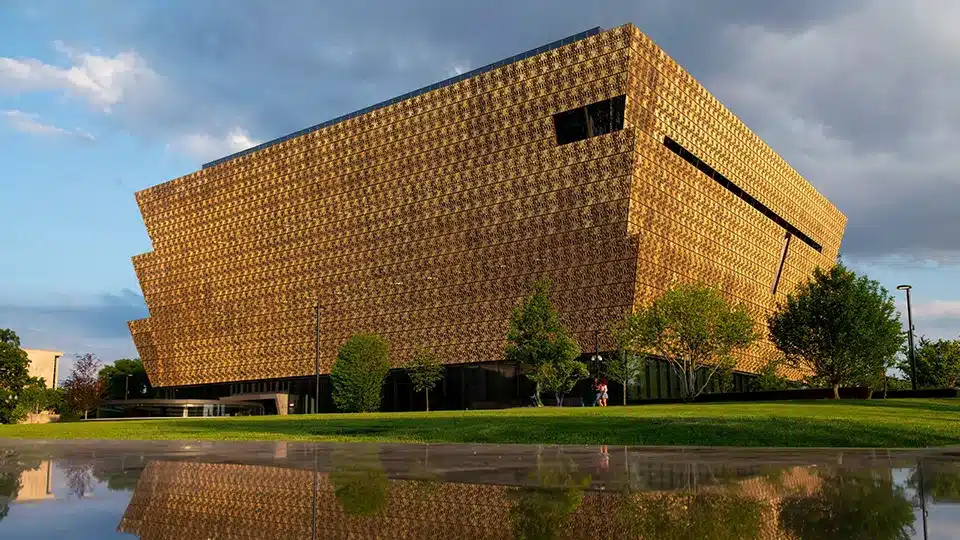
National Museum of African American History and Culture – newyorker.com
Example: The Museum of Memory and Human Rights – Santiago, Chile
Perforated steel panels on its facade evoke the “cortinas de sombras” (curtains of shadows), a metaphor for the dark period of human rights abuses under the Pinochet dictatorship. The panels’ patterns are inspired by traditional Chilean textiles, connecting the painful history with cultural resilience and memory. As light passes through, the screens cast evocative shadows that symbolize both the obscured past and the hope of transparency and justice. This architectural gesture transforms the building into a space of collective remembrance and healing, where material and symbolism merge to tell a deeply meaningful story.
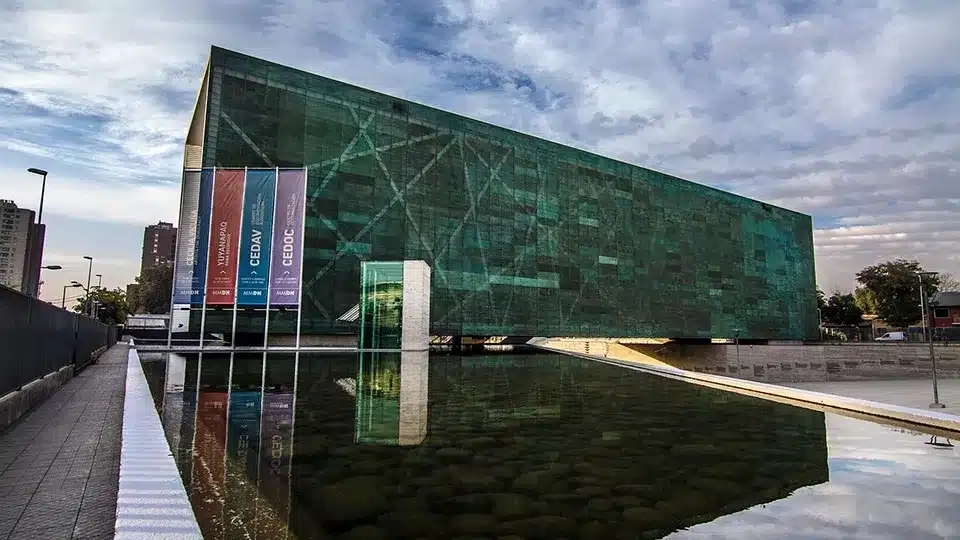
Museum of Memory and Human Rights – viator.com
Global Inspirations
Middle East – Mashrabiya Tradition
The building’s exterior is wrapped in intricate mashrabiya-inspired screens where geometric wooden panels draw from traditional Islamic latticework, serving multiple roles by filtering harsh desert sunlight to create comfortable interiors, while their patterns symbolically connect the library to Qatar’s cultural heritage. As sunlight passes through, the screens cast shifting shadows reminiscent of the interplay between knowledge and mystery.
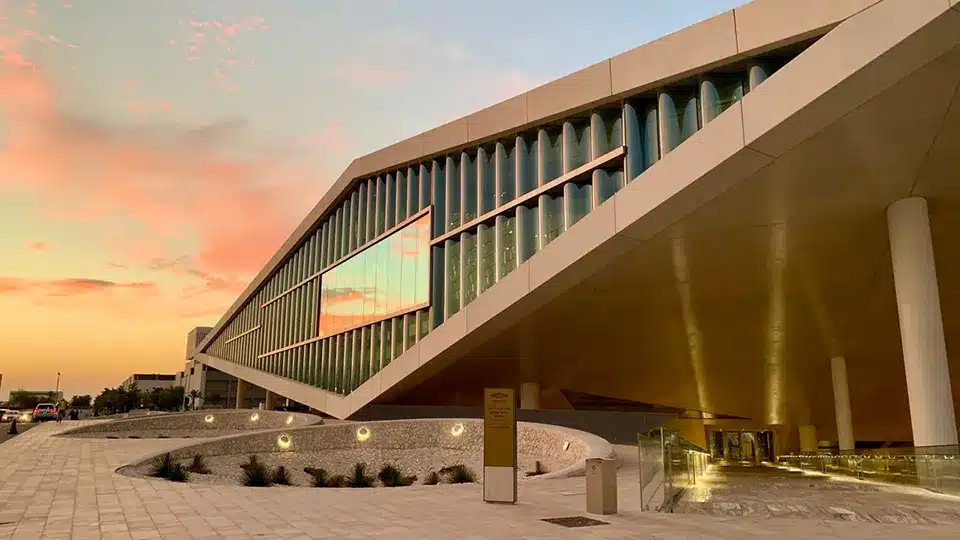
German Historic Echoes in Modern Design
Laser-cut panels reinterpret postwar architectural identity, as seen in JOH3 in Berlin‑Mitte, a compelling example of laser‑cut aluminum lamella panels reinterpreting historic ornament within a modern residential context.
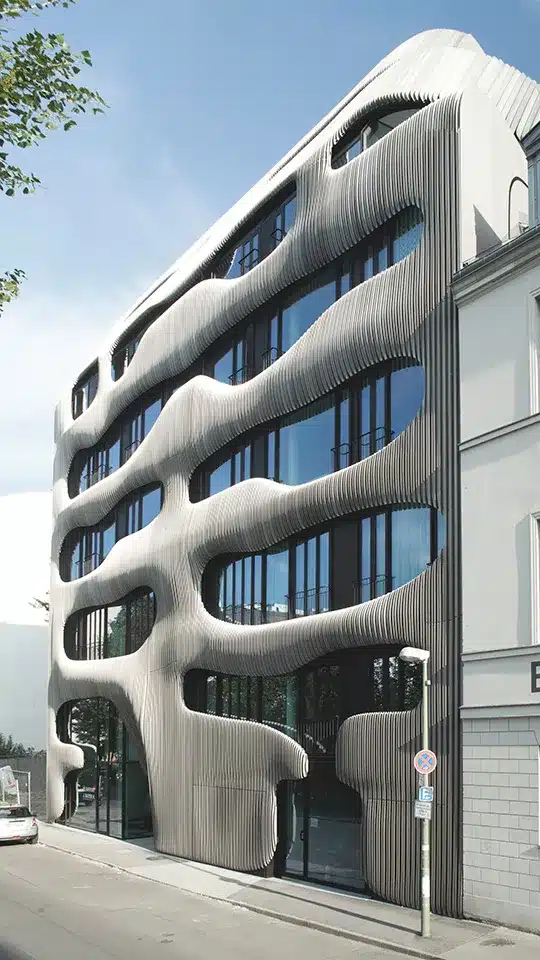
JOH3 – https://jmayerh.de/joh3/
Australian Timber as Climate Response
Slatted timber screens not only help mitigate extreme sunlight but also blend seamlessly with the surrounding landscape. A striking example is Bellevue Hill House IV by Popov Bass, a residence thoughtfully designed around two protected Jacaranda trees. Here, timber screening and curved architectural forms provide effective solar shading while preserving a strong, continuous connection to nature.
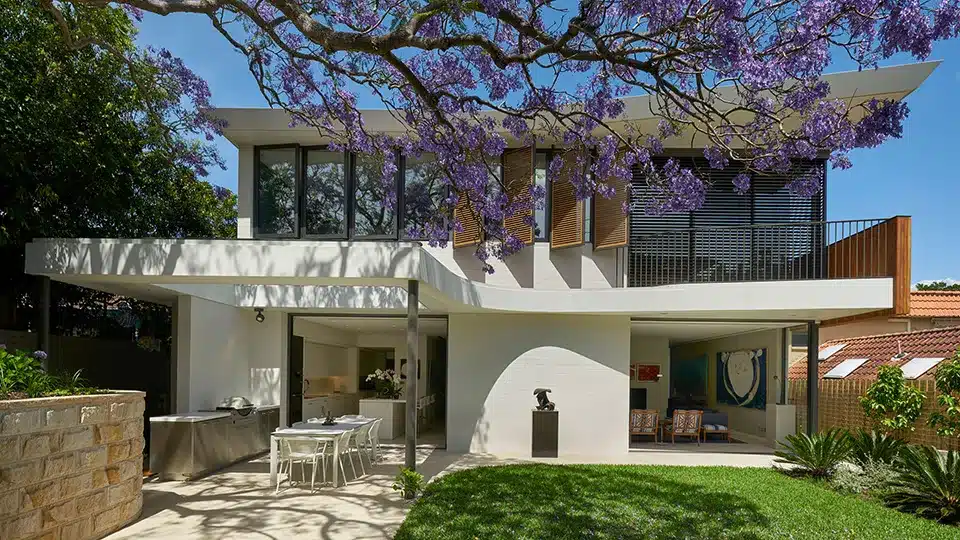
Bellevue Hill House IV – thelocalproject.com
Artistic Facades
The RMIT Design Hub features 17,000 rotating glass discs that control light and thermal gain, creating a dynamic facade responsive to climate and movement. These discs adjust throughout the day, filtering sunlight and reducing heat load while offering a constantly shifting visual texture. The result is a building that not only performs sustainably but also expresses a kinetic aesthetic blurring the line between architecture and art. This facade becomes a living skin, adapting to environmental conditions and engaging passersby with its ever-changing surface.
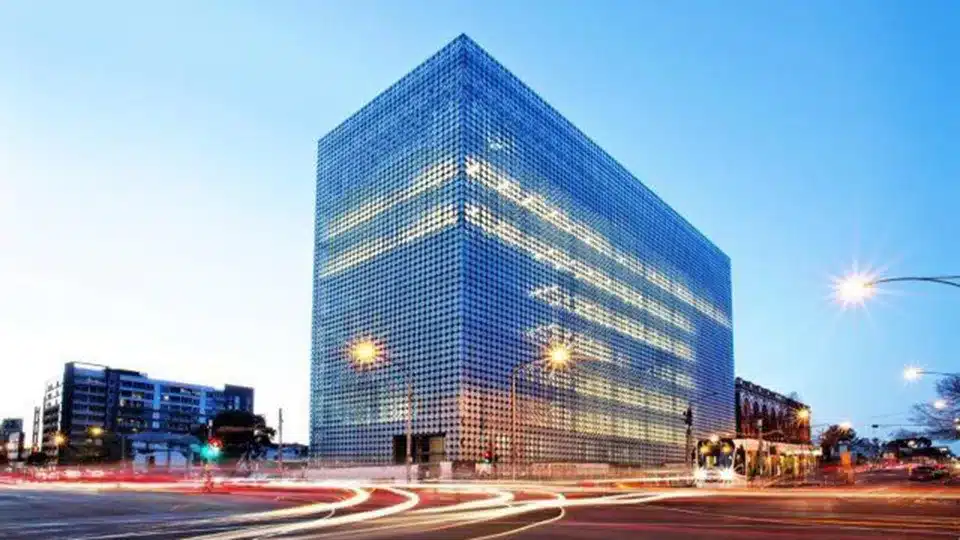
RMIT Design Hub – alchetron.com/RMIT-Design-Hub
Endless Applications Across Environments
The adaptability of architectural screens continues to grow:
Exteriors: They add texture and expression to facades, define terraces, and protect outdoor environments from wind, sun, and noise.
Interiors: They guide traffic, create ambiance, and balance openness with privacy in restaurants, museums, amusement parks, and offices.
Branding: Custom panels double as wayfinding or corporate expression turning every surface into a potential communication tool.
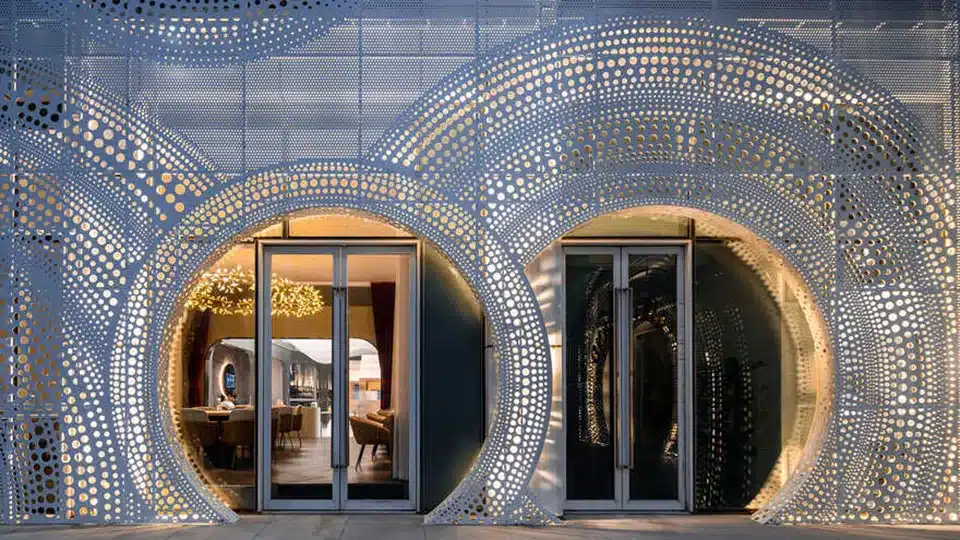
Lolly-Laputan Children Restaurant – dezeen.com
Walls Are Not The Only Answer
Architectural screens offer flexibility, transparency, expression, and connection providing privacy without isolation, division without disruption, and beauty with purpose.
Architects and designers are encouraged to move beyond traditional thinking, seeing screens not just as barriers, but as storytellers, sculptors of space, and generators of experience.
Let your next project speak through screens. Craft moments. Shape movement. Create meaning rather than simply building walls.
Rethink the wall. Embrace the screen. Design with intention. Let every panel reflect purpose, place, and possibility.
Categories
Lets Stay in Touch!
Recent Posts